
Before Apps, There Was SMS: The Story of DAPAT 32728 and mySMS 15888
Technology has always moved quickly. But meaningful innovation is not simply about creating something new. It is about understanding what people need and finding a better way to help them.
That was the thinking behind DAPAT 32728 from the very beginning.
Long before smartphones and mobile applications became part of everyday life, Malaysians still needed a simple way to reach the organisations that served them. They needed to obtain information, report problems, check the status of important matters and receive timely updates.
For many, access to the internet was limited. Government services often required a telephone call, a physical visit or navigating different channels for different agencies.
But almost everyone knew how to send an SMS.
That simple reality became the starting point for an idea that would help shape Malaysia’s early digital public service landscape.

Here is the original SMS DAPAT 32728 mark registered by Interactive Vista on 7 September 2004
A simple idea built around the rakyat
At the heart of the story was the late Azli Paat, a Malaysian technology entrepreneur and innovator who believed technology should be practical, accessible and useful to everyday people.
Azli understood that innovation did not always need to begin with the most advanced technology. Sometimes, the most meaningful solutions began by looking at what people already had in their hands.
In the early 2000s, that was the mobile phone.
The original ambition was reportedly to make television more interactive. However, the equipment needed at the time was expensive and not easily accessible. Rather than abandoning the idea, Azli and the team explored another possibility.
Could an ordinary mobile phone connect people directly to broadcasters, businesses and public organisations?
The answer was SMS.
The technology was first introduced through KLFM in 2004, allowing listeners to communicate and participate through text messages. What began as a way to make radio more interactive soon revealed something much larger.
A simple SMS could open a direct connection between the rakyat and the organisations serving them.
The meaning behind 32728
DAPAT 32728 transformed an easy to remember word into a gateway connecting people with information and essential services.
On the alphanumeric keypads used by mobile phones at the time, the numbers 32728 represented the letters in the word DAPAT.
It was easy to remember, distinctly Malaysian and reflected the purpose of the platform.
DAPAT means “can”.
Through one short code, people could obtain information, submit reports, check records and communicate with participating organisations.
It helped turn the mobile phone into more than a personal communication device. It became a tool that allowed the rakyat to access services from wherever they were.
For someone who could not easily visit an office, wait on a telephone line or access the internet, this small piece of technology could make a real difference.
Bringing the police and communities closer
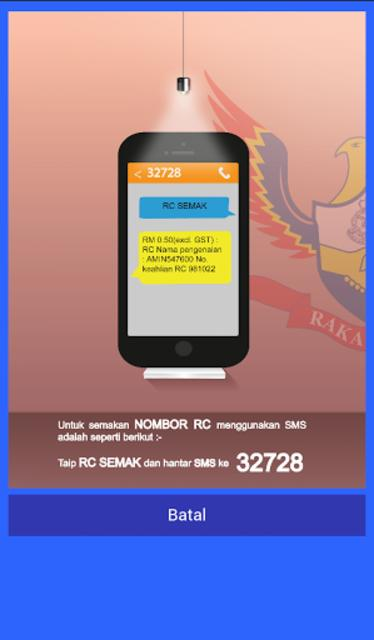
One of the most recognised services developed through DAPAT 32728 was RakanCop.
Introduced in August 2005, RakanCop was created to help bridge the distance between the police and the communities they protected. Members of the public could register through SMS and send information directly to the police using DAPAT 32728.
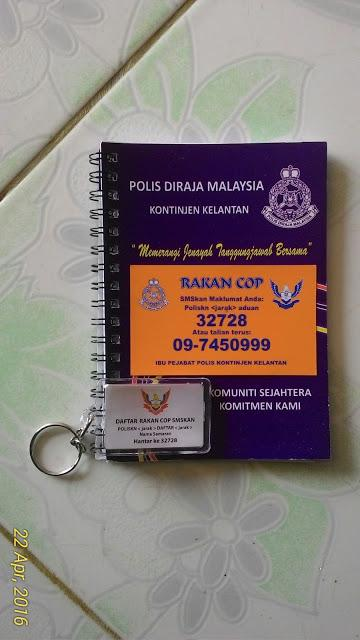
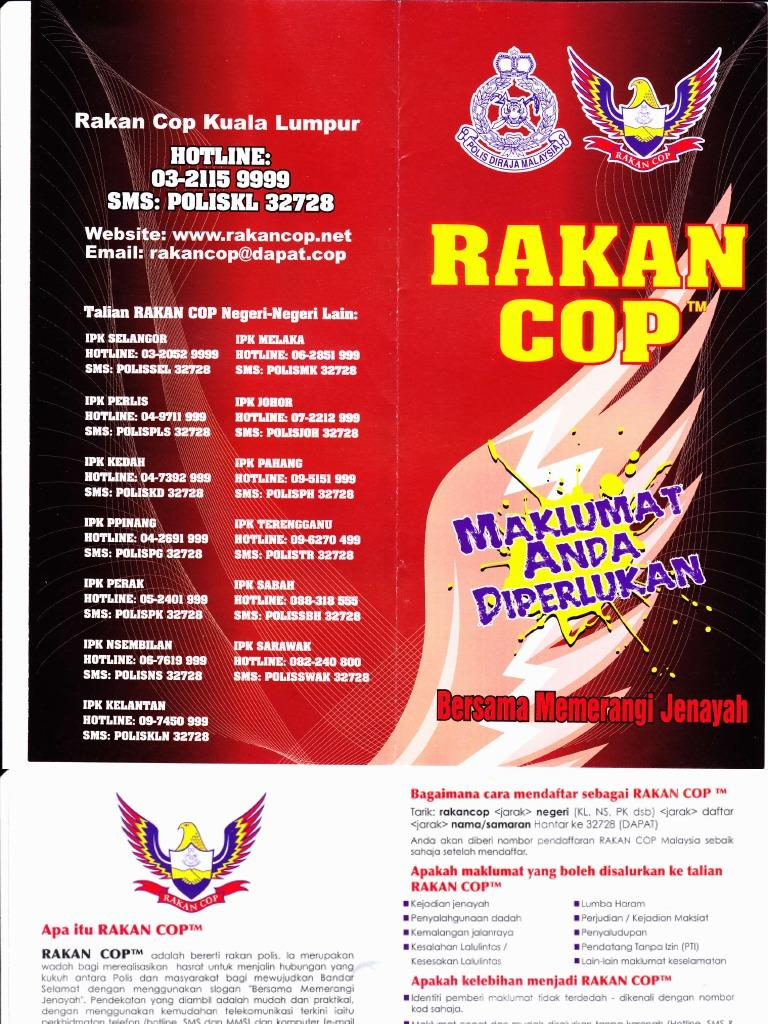
Through RakanCop and DAPAT 32728, members of the public could share information directly with the police and participate in keeping their communities safe.
People could report suspected criminal activity, dangerous situations, traffic incidents and other community safety concerns.
For the rakyat, it provided a simple and accessible way to be heard. For the police, it opened another channel through which valuable information could be received and acted upon.
The response demonstrated how much such a service was needed. Within months of its introduction in Johor, more than 5,000 people had registered and over 2,200 messages had been received.
RakanCop showed what could happen when technology was built around a genuine public need. It helped communities participate in keeping their neighbourhoods safe and enabled information to reach the police more quickly.
Following Azli’s passing in 2013, the Royal Malaysia Police publicly acknowledged his contribution to the creation of RakanCop and the role he played in connecting the police with the public.
One gateway for government services
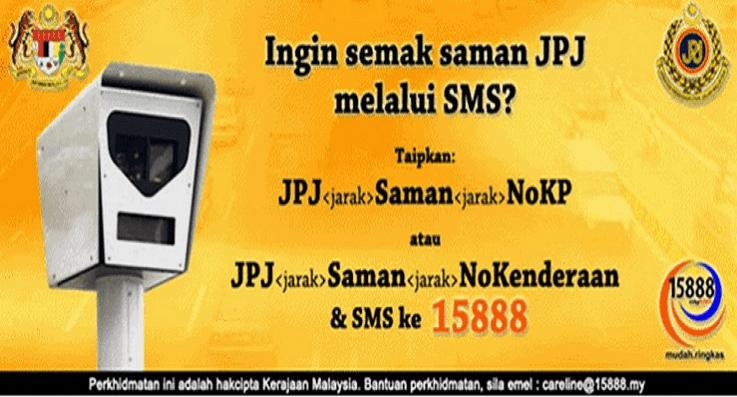
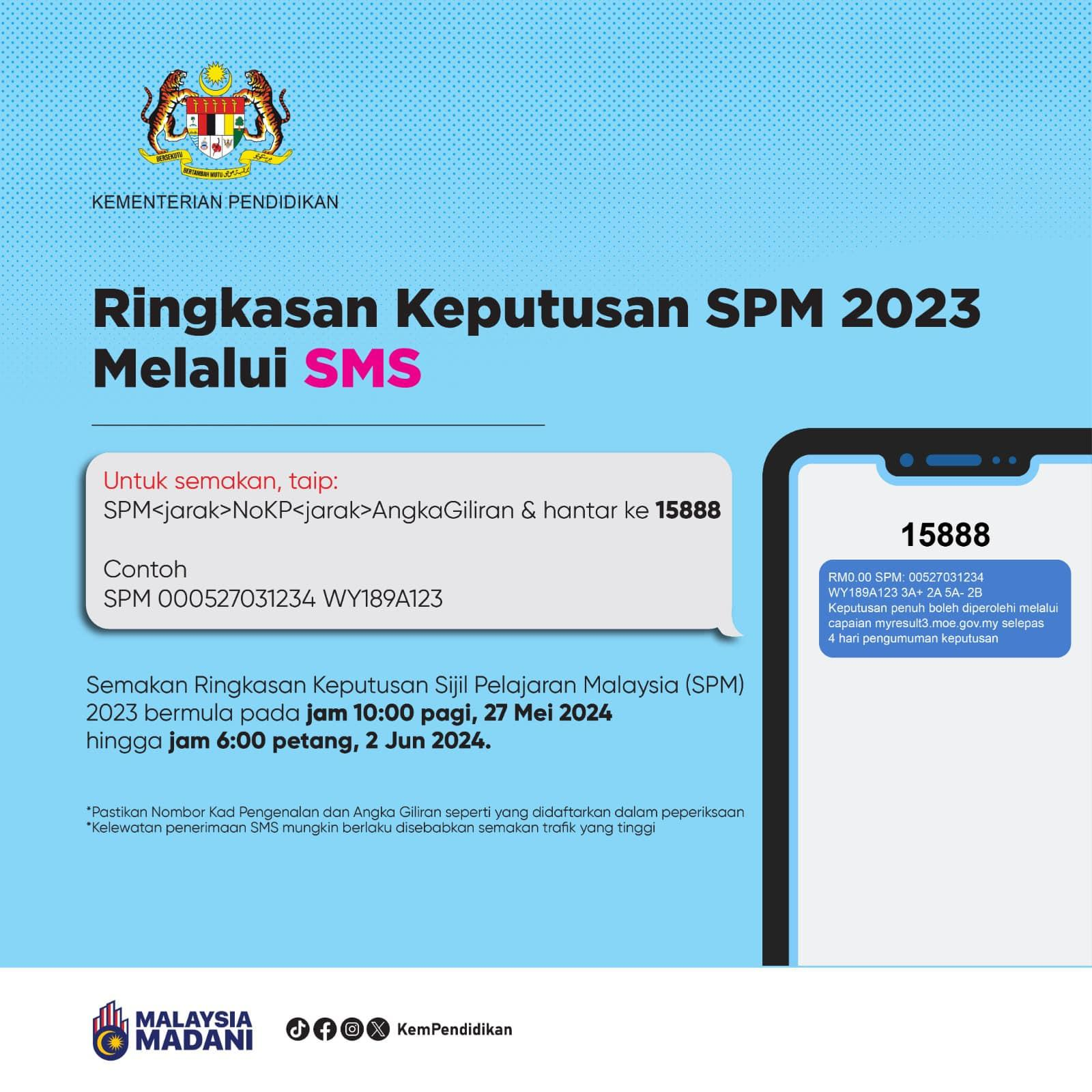
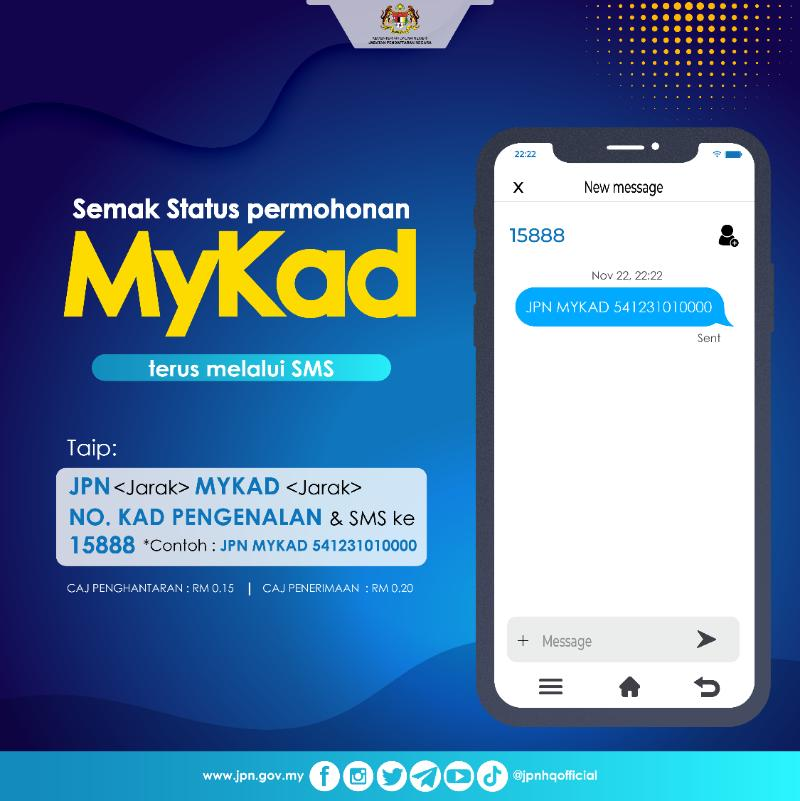
Launched in 2008, mySMS 15888 gave government agencies a common gateway to deliver information and services to the rakyat through SMS.
The journey continued with the launch of the Government SMS Gateway, mySMS 15888, on 31 July 2008.
Initiated by the Malaysian Administrative Modernisation and Management Planning Unit, MAMPU, mySMS 15888 created a common number through which government agencies could provide services to the rakyat by SMS.
Before mySMS 15888, different agencies could have different systems, numbers and methods of communication. For the public, accessing the right information was not always straightforward.
mySMS 15888 helped simplify that experience.
Through one recognised number, government agencies could provide application updates, reminders, payment confirmations, public announcements and information searches.
The services supported through the gateway included highway traffic information, driving licence and road tax reminders, education enquiries, application status updates and other important public information.
For people in areas with limited internet access, SMS remained one of the most dependable ways to receive information. It did not require a smartphone, a mobile application or a data connection.
It simply required a mobile phone.
This made mySMS 15888 more than a messaging system. It was an inclusive public service channel designed to ensure that more Malaysians could remain informed and connected.
Solving everyday problems through technology
DAPAT 32728 and mySMS 15888 were created during a very different period in Malaysia’s digital journey, but the problems they sought to solve remain familiar.
How do we make it easier for people to find the information they need?
How do we help organisations communicate more effectively?
How do we ensure that important information reaches people in time?
From checking police summons and reporting road damage to receiving public service alerts, the technology was always connected to an everyday need.
The focus was not technology for its own sake. It was technology that removed barriers, shortened waiting times and made essential information easier to access.
From day one, the purpose was to solve pain points and serve the rakyat.
Remembering Azli Paat
Azli Paat’s contribution extended beyond the systems he helped create.
He was also a familiar voice on Malaysian radio and television, where he shared his knowledge and explained developments in information technology in Bahasa Malaysia.
At a time when technology could seem complex or unfamiliar, Azli had the ability to make it understandable. He believed knowledge should be shared and that technology should not leave people behind.
Those who knew him remembered him as knowledgeable, humble and generous with his ideas.
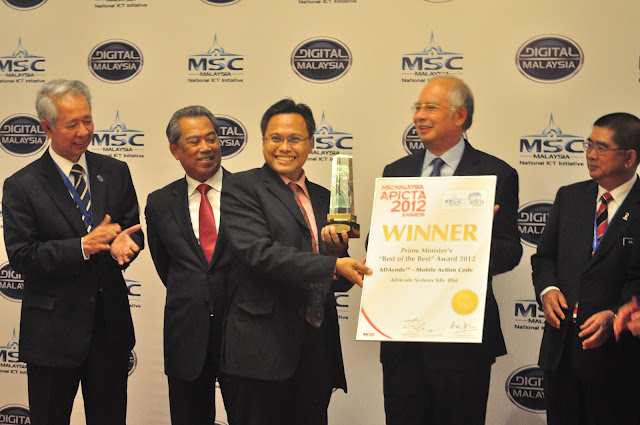
His work received recognition through several industry awards, including honours for communications applications, electronic inclusion and community services. He was also recognised through the Prime Minister’s Best of the Best APICTA Award.
Azli passed away in February 2013, but the purpose behind his work continues to resonate.
His legacy is found not only in the systems he helped create, but in the belief that innovation should begin with people.
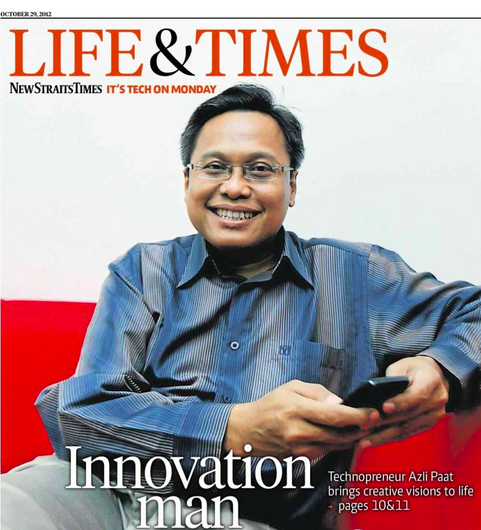
The late Azli Paat, a Malaysian technology innovator who believed technology should be simple, accessible and created to serve the rakyat.
The next chapter
The way people communicate has changed.
Today, Malaysians connect through SMS, WhatsApp, email and many other digital channels. They expect information to be delivered quickly, securely and conveniently.
Yet the fundamental need remains the same.
People still need to know that their message has been received. They still need important information to reach them at the right time. Organisations still need a dependable way to communicate with the people they serve.
From DAPAT 32728 to mySMS 15888, the journey has always been about closing that distance.
Today, that experience and purpose continue through Teekrr, bringing the trusted foundation of SMS messaging into a new omnichannel future.
The technology may evolve, but the reason behind it remains deeply human.
To solve real problems.
To make services more accessible.
To keep organisations and the rakyat connected.
Teekrr. Message Delivered.